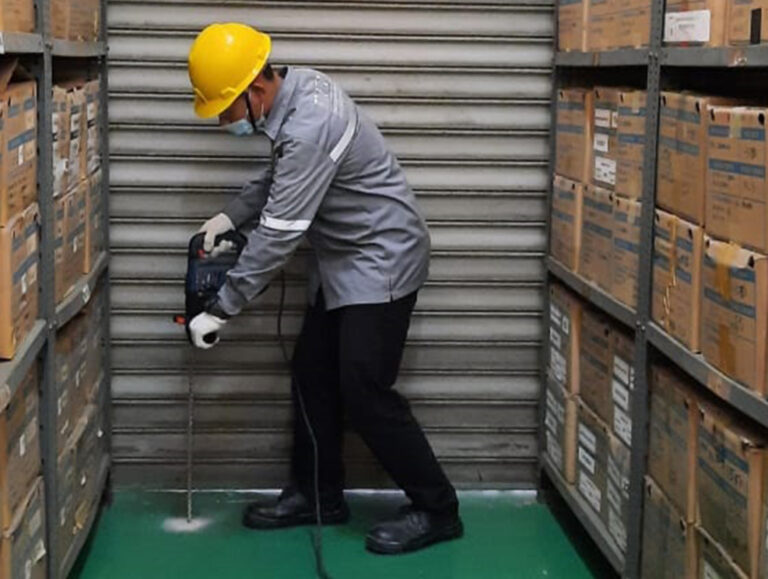
Every heritage structure tells two stories about Jakarta. The first is inscribed in carved teak and colonial-era joinery--craftsmanship that has survived earthquakes, regime changes, and a century of tropical rainfall. The second one is engraved with Mud tubes. Frass. And the hollow echo that remains of timber that termites have reduced to veneer. The conservation of Javanese timber in buildings of the past is not a museum project however it is forensic intervention. The materials themselves are usually less durable than those that are romanticized, and the most historically authentic replacement timber may be the most attractive to termites living in subterranean areas. Heritage contracts demand that work to prevent termites is done with the help of species identification and heartwood verification. They also demand preservation methods that don't eliminate the pre-colonial, colonial and construction narratives that are weaved into the grain.
1. The teak that is sold today is not identical to teak that was used in the past.
Old-growth Javanese teak harvested at forty to sixty years old contains silica and extractive oils that are effective in preventing termite food. The teak that is harvested from plantation-grown to 20 years old lacks these oils and silica deposits. Many historic structures at risk of failing in the present don't fail because the wood used originally been deteriorating, but because the repairs made in the twentieth century were made using teak unmature, which termites are aware of. To ensure that replacement wood isn't a danger to termites, it is essential for pest control professionals to check it prior to installation.
2. Heartwood Versus Sapwood: The Invisible Durability Gap
A single piece of timber could have two classes of durability. Mahoni heartwood resists termites; mahoni sapwood is very susceptible. Nangka heartwood is Class II, while nangka sapwood is Class V--the lowest possible rating. If heritage restoration contractors specify wood types without specifying heartwood fabrication only they will install termite-resistant materials to construct structures that have stood the test of many years because of their old-growth resilient. Anti-termite service providers must ask for core samples before approving the restoration wood.
3. Bamboo Preservation exists, however it Requires Immersion
In the Dutch colonial period, untreated Bamboo was banned from Javanese construction. Bamboo itself was not the issue. Tobacco stalk wood vinegar, applied by soaking in cold water for 24 hours and then soil drenching at the base, reduces the damage caused by termites by thirty percent over 18 months. Bamboo's heritage can be maintained, but the surface brushing alone isn't enough. Infrastructure for immersion is required.
4. Javanese wood used in Colonial-era repairs is not authentic
Dutch plague officers forcedly reconstructed 1.6 million Javanese house between 1911 and 1941, using criteria based more on epidemiological criteria than cultural continuity. Many of the structures mistakenly thought to be Javanese vernacular structures were actually constructed by colonial health staff. The anti-termite inspectors who inspect historic properties should distinguish between pre-colonial joinery and the Dutch-mandated substitutes. The notion of treating them as the same misinforms preservation philosophy and termite assessment.
5. Soursop Leaf Extract Works at 25% Concentration
The weight loss from termites can be reduced by the soaking of coconut or durian wood in solution with 25% soursop leaves extract. This allows for an acceptable commercial level of resistance. This is not folk medicine; it is concentration-dependent, replicable, and requires no synthetic chemistry. Jakarta exterminators serving heritage clients should partner facilities that can perform immersion treatments and should certify the concentration of extraction in treatment documentation.
6. SNI Class II Is Not "Termite Proof"
Although Indonesian National Standard Class II wood is classified as "resistant", it still has a 6-to-10-percent weight loss when tested against Coptotermes curvevignathus. Heritage preservation contracts that stipulate "Class II or better" without any additional intervention are willing to accept an amount of consumption that is quantifiable. For irreplaceable components physical barriers and non-repellent enticements should be added to the wood.
7. Agathis and Durian Timber: Heritage Liabilities
The joinery on the interior of colonial Javanese furniture was made from Agathis Dammara. Durio zibethinus is a common timber throughout Central Java heritage structures. Based on standard testing the two species are both rated Class V - very poorly resistant. The exterminators must report the species immediately for priority monitoring. A built agathis door frame isn't a conservation asset. It's a food station for termites dressed in period costume.
8. Moisture Content determines the Detectability
Whatever the nature or the degree of durability, termites are unable to find wood with a moisture content below 12-15 percent. Heritage structures often leak and the foundations for heritage buildings typically are not damp-proofed. The anti-termite service that treats the timber of heritage without correcting roof drainage or downspout drainage, and the capillary moisture rising from masonry is applying costly preservatives to wood that termites are already mapping through the smell.
9. The 1911 Archive exists and is searchable
University of Cambridge archives and Dutch colonial collections include around 300 photos of Javanese construction of buildings from 1911 until 1930. They feature the old materials, historical repairs, and specific joinery techniques. These are legal documents not merely academic curiosity. Heritage exterminators that consult photographic archives can distinguish original fabric from later alternatives, and alter the risk assessment.
10. Preservation through Treatment - Not Replacement
The Dutch colonial experiences have shown that, at continental scales the substitution of materials could lead to houses of dubious authenticity as well as low termite resistance. The removal of the old timber and replacing it with plantation wood does not enhance heritage preservation. Preservation by treatment is the most ethical and economically viable option. This includes immersion in natural extracts, and targeted baiting around irreplaceable fabric, as well as physical barriers that don't require digging up foundations that were once in use. Anti-termite service providers who position themselves as preservation partners instead of replacement contractors gain the trust of owners and specifications from architects.
Conclusion
Javanese wooden preservation isn't an area of specialization. It's the first pesticide control method, and was used centuries before synthetic pesticides were invented. The 25 percent threshold for soursop, 18-month protocols of using bamboo vinegar as well as the heartwood inspection requirement do not replace professional extermination. These are all examples of professional extermination done in accordance with heritage standards. Jakarta anti-termite services seeking heritage contracts must invest in immersion infrastructure as well as core sampling tools, and train inspectors to distinguish colonial-era plague housing from pre-colonial vernacular construction. The wood cannot be substituted. The knowledge necessary to protect wood isn't gone; it's simply not being utilized. Conservators and homeowners are expected to have to pay a premium for services that come with this capability. The market is there. The question is, which exterminators will choose to serve the market? Follow the best jasa anti rayap for blog tips including jasa rayap, pembasmi rayap kayu, rayap pekerja, cara membasmi rayap kayu, anti rayap untuk kayu, pest control jakarta selatan, jasa basmi hama, kayu anti rayap, kitchen set anti rayap, jasa basmi rayap and more.

Baiting Above Ground For Asian Subterraneans In Jakarta
Jakarta homeowners believe that poisoning termites involves digging bait stations made of plastic into the garden. A technician checks them every few months, looks in, shrugs and then moves forward. This is a form of perimeter surveillance, not colony elimination. Baiting above the ground is a totally different discipline. The station will not be buried. Instead, it will be locked to a working mud tub or pressed up against the area that has been damaged. The bait is not required to be discovered by termites, it is simply put in their travel path. For Asian subterranean species--Coptotermes gestroi, Coptotermes curvignathus, Microtermes insperatus--above-ground delivery bypasses every behavioral barrier that makes perimeter baiting slow and uncertain. Jakarta anti termite services without above-ground stations in their vehicles are only able to inspect and not treatment.
1. Above-Ground Stations require active Infestation
Perimeter baiting relies on speculation. The stations are put up, and technicians await for termites to find them. Above-ground baiting is based on confirmation. The station is deployed only when mud tubes or damaged timber is located. This isn't a restriction, it's effectiveness. No plastic will be submerged beneath sterile earth. It is not necessary to devote technicians' time observing stations that do not get hit.
2. The Mud Tube becomes Delivery Infrastructure
Stations are designed for above-ground use, to blend into existing structures. The base of the station forms an enclosed chamber that is over the mud tube opening. Termites traveling from nest to feeding site can pass through the station and get into contact with the bait matrix they consume and continue their journey. The tube isn't damaged. The commuter pattern isn't disrupted. The colony poisons itself using the infrastructure it has built.
3. For Deliveries Above Ground, the Test for Palatability is Different
The colony has already passed an experience of wood. The location of the feeding site has been confirmed. The bait matrices above the ground are not required to be satisfactory. This allows for a more flexible formulation and allows the use of toxicants with slower acting properties that would be rejected if competing with untreated wood adjacent to. Jakarta exterminators should carry several bait formulations, and choose according to the feeding preferences of the area they are treating.
4. Recruitment Multiplier via Self-Seeding
The transfer of live termites from wood that is infested into the above-ground station's recruiting chamber triggers an immediate feeding initiation. The termites that are introduced, already familiar with the local environment conditions and foraging patterns start eating bait and recruiting nestmates through trophallaxis. This one action can increase the rate of delivery of toxicants by about 30 percent. The termites killed by exterminators they scrape off damaged wood will be wasting biological resources.
5. Coptotermes verstroi responds rapidly to an above-ground position
Asian subterranean termites, especially Coptotermes gestroi, keep a high foraging rates all year long. Above-ground stations that are installed on infestations that are active typically report feeding in 48 hours, and an observable consumption of bait within one week. Colony-eradication timelines are reduced from several months to a couple of weeks. Companies that offer an average of six months for above-ground baiting either use suboptimal matrices, or fail to attract termites.
6. Microtermes and macrotermes require different places for them.
Fungus-growing termites (Microtermes insperatus, Macrotermes gilvus) do not construct extensive tubers of mud in the same manner as Coptotermes. Their hunt above ground is more diffuse and they typically cover their feeding areas within the wood. Above-ground baiting against these species involves digging up the damaged area, inserting of the matrix directly into the feeding cavity, and careful resealing. The geometry of each station varies. Jakarta exterminators who attempt Coptotermes protocols for Microtermes infections will have a difficult time getting uptake.
7. Moisture Conditioning Is Non-Negotiable
Water activity levels are used to create above-ground bait matrixes. The humidity levels in Jakarta cause moisture to be exchanged with the environment. Bait in a toolbox of in a vehicle for some weeks may dehydrate. Bait taken out of its sealed packaging, and left at the location to absorb atmospheric water, could degrade. Exterminators must condition the bait cartridges before installing, adding measured water for optimal moisture content. They must also safeguard open inventory from Jakarta's 24 hours of humidity.
8. The Inspection Frequency Compresses
Perimeter baiting programs are based with semi-annual or quarterly inspection cycles. Above-ground baiting operates on weekly cycles. Infestations that are in progress consume bait quickly; depleted cartridges should be replaced within a couple of days, not months. The colony's removal can only be confirmed when feeding stops, and the mud tube dehydrates. The services that plan monitoring above ground within their perimeter monitoring schedule will observe bait depletion. They might assume that treatment is advancing and miss the colony recover window.
9. Different warranties require different underwriting
Perimeter-baiting guarantees are priced according to station density and inspection frequencies. Above-ground warranty prices are based on species identification and infestation extent. The standard rates are applicable to a single Coptotermesgestroi colony that enters through an entry point. A multi-colony Microtermes infestation spread across the entire floor needs different risk modeling. Jakarta antitermite companies that offer the same cost for both scenarios, mispricing the risk.
10. Above-Ground is diagnostic, not only therapeutic.
The rate of bait consumption as well as the ratio of casting termites observed in stations, and the place of mud tube attachment provide forensic data about colony health and foraging range. Consumption at a rapid rate indicates a colony that is stressed. Consumption and abandonment indicate possible colony demise, or bait aversion. Mud tubes with dark colors indicate lower traffic. The termite control specialists who are taught to recognize these signs are able to alter the treatment parameters in a flash. Exterminators who simply change cartridges and then leave do not benefit from the most effective and efficient intervention using data for managing termite issues.
We also have a conclusion.
Baiting for Asian Subterraneans above ground isn't an offer offered by inspection companies. This is the action that distinguishes them from colony eradication experts. Perimeter baiting monitors. Baiting treats above ground. Perimeter baiting waits to be discovered. Above-ground Baiting engineers are slapped in the face. Perimeter baiting generates a quarterly service ticket. Above-ground baiting results in colony elimination, and warranties are renewed based on confirmed success. Jakarta anti-termite firms that stall the implementation of above-ground methods typically cite equipment price, technician training requirements, and/or the inconvenience of carrying several bait mats. They aren't obstacles; they are investment opportunities. In the initial two above-ground deployments, the costs of equipment are expected to be covered. Training costs pay off when technicians transition from generalists to specialists. Multi-bait matrices are a way to distinguish premium exterminators from common exterminators. If a homeowner has an active termite problem does not wish to keep an eye on the perimeter. They do not need perimeter monitoring. The above-ground poisoning method is the most effective method to accomplish this. Jakarta exterminators waste time scraping tubes, and then injecting dirt without above-ground stations. Read the most popular anti rayap for site examples including anti hama, anti rayap terbaik, jasa anti rayap bandung, jasa pembasmi rayap, anti hama, membasmi rayap, harga anti rayap, pest control jakarta selatan, rayap lemari, rayap kayu and more.